How Desert Sun Impacts Your Window Treatments in Mesa Homes
If you live in Mesa, you know the sun is strong, the heat is real, and summer UV can be relentless. That combo can fade fabrics, warp certain materials, and shorten the life of your window coverings. This guide explains how desert conditions affect different options and which window treatments Mesa, AZ, homeowners rely on to stay cool, protect interiors, and control glare.
From Dobson Ranch to Eastmark and Las Sendas, the right choice depends on where your windows face, how much light you want, and how you use each room. Below, you'll see how materials perform in extreme heat and what stands up best to daily sunshine.
What Mesa Sun Does to Common Window Treatment Materials
Real Wood Blinds and Shutters
Wood looks warm and timeless, but it can struggle with low humidity, extreme heat, and direct UV. Prolonged exposure may dry the slats, leading to hairline cracks or subtle bowing. In rooms with steady south or west exposure, real wood needs careful placement and consistent climate control.
Faux Wood (Composite/PVC) Blinds
Faux wood handles heat and dry air better than real wood. Quality composite slats resist fading and are less likely to warp under daily sun. They're a solid pick for kitchens and bathrooms where moisture and heat swing more throughout the day.
Vinyl and Aluminum Blinds
Vinyl offers easy care but can soften under very high heat at the window, especially in darker colors that absorb more energy. Aluminum resists heat well and reflects light, but thin slats can rattle near patio doors during monsoon breezes. Choose sturdier gauges if your windows face open desert winds.
Fabric Shades (Roller, Roman, Cellular)
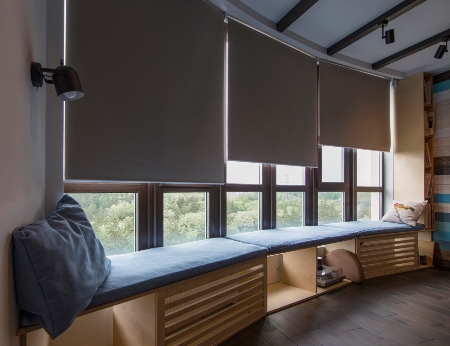
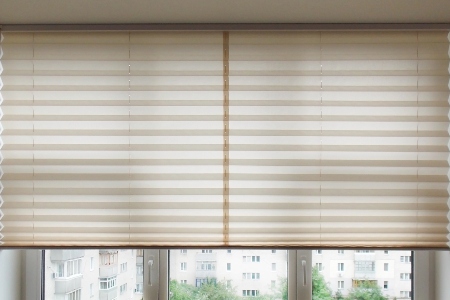
Fabric shades vary widely by weave and backing. Roller and Roman shades with UV-protective backings can guard against fading inside your home. Cellular shades add insulation by trapping air in their honeycomb cells, helping with comfort on 110-degree days while filtering glare.
Solar Shades
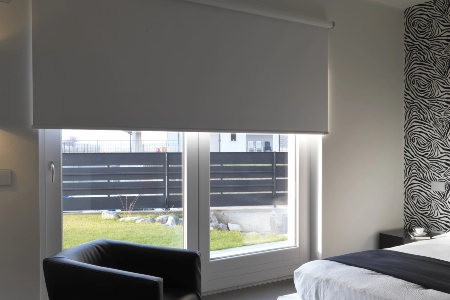
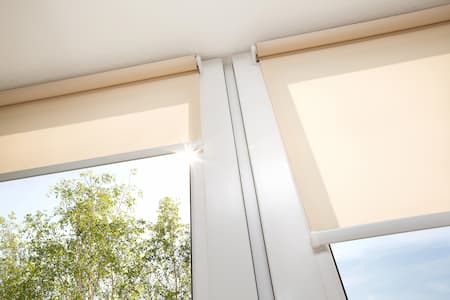
Solar shades are designed for the sun. They reduce glare, help block UV, and preserve views. Openness factors like 1%, 3%, or 5% change how much light and view you keep. Lower openness blocks more glare and UV, making it a favorite for west-facing living rooms in Red Mountain Ranch.
Interior Shutters
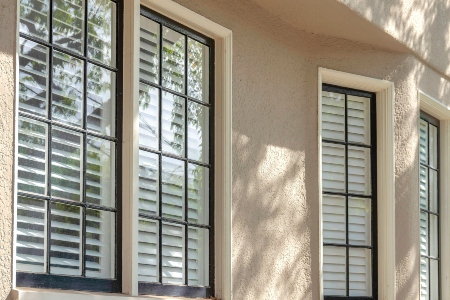
Composite shutters handle heat, are easy to tilt for light control, and give long-term value. Louvers close tightly to cut glare in bright afternoon sun. If you love the shutter look, composites typically outperform natural wood in our climate.
Best Window Treatments for Desert Conditions in Mesa, AZ
After years of sun and dust, some materials simply hold up better. Here's a quick guide to top performers for Mesa homes:
- Composite shutters for durability, light control, and a custom fit that seals out glare
- Faux wood blinds for a classic look that resists heat and dryness
- Solar roller shades for strong UV and glare control while keeping daytime views
- Cellular shades for improved comfort by buffering heat at the glass
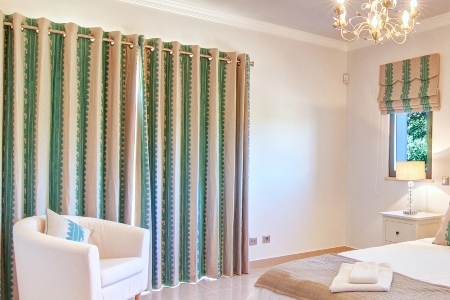
If you want a hard-working, budget-friendly option that still looks polished, many homeowners start with durable blinds in living spaces with strong afternoon sun, then layer drapery for extra softness.
Heat, UV, and Glare: How to Balance Light and Longevity
In Mesa, afternoon light can reflect off stucco and pool decks and pour through windows. That bounce adds brightness and heat load even if your windows aren't perfectly west-facing. Matching the fabric or slat style to the room's use is key.
Consider these factors when you choose materials:
- UV and Fade Control: Tighter weaves, protective backings, and lighter colors reflect more heat and help protect floors and furniture.
- Glare Management: Solar shades with lower openness reduce monitor glare in home offices and tame TV washout in great rooms.
- Privacy and View: Faux wood and shutters provide strong privacy. Solar shades preserve daytime views while softening the sun.
Choose light-colored fabrics or finishes on windows that get direct sun. Light tones reflect more heat, stay cooler to the touch, and can extend the material's life.
Orientation Matters: East vs. West vs. South Windows
East-facing windows catch the bright morning sun, which warms the rooms quickly. West-facing windows take the brunt of late-day heat when Mesa temperatures peak. South-facing windows receive high-angle sunlight most of the day, especially in mid-summer.
West-facing windows take the harshest afternoon heat in Mesa, so many homeowners pair a glare-cutting solar shade with side panels or top treatments to close gaps and stop edge light. For big sliders toward the backyard, consider dual shades to switch from filtered light by day to full privacy at night.
In neighborhoods like Alta Mesa and Desert Uplands, where views matter, solar shades with a 3% to 5% openness keep scenery in sight. In bedrooms, cellular or composite shutters give blackout-level darkness for better sleep during long summer days.
Material Details: What Lasts in the Desert
When it comes to heat and UV, material science wins. Composites and engineered fabrics stand up better than natural fibers under constant sun. Faux wood slats resist bowing. High-performance shade fabrics maintain color longer. Aluminum can perform well if you pick a sturdy slat gauge and a finish that resists oxidation from dust and monsoon moisture.
For a simple, tough solution in busy spaces, well-fitted custom blinds let you fine-tune light by tilting, then lift fully when you want a clear view. Where you need silent, smooth operation, motorized shades protect delicate cords and keep hands off hot materials at the window.
Care and Maintenance to Extend Lifespan
Dust and fine grit ride monsoon winds and settle on slats and fabrics. That buildup can dull finishes and act like sandpaper when shades move up and down. Gentle, regular care prevents premature wear.
Here are smart habits Mesa homeowners use to keep treatments looking new:
- Light dust weekly with a microfiber duster and vacuum fabrics with a brush attachment.
- Wipe faux wood and composite surfaces with a slightly damp, non-abrasive cloth.
- Operate shades through a full cycle monthly to keep components moving smoothly.
- Check for sun-facing edges that curl or lighten and schedule service before issues spread.
Schedule a professional check in late spring so everything is tuned before the hottest weeks hit. A quick tune-up can help prevent mid-summer failures when your system works its hardest.
In Mesa's peak heat, rooms with west-facing glass can feel 5-10 degrees warmer late in the day. Pair solar shades with light interior colors to reflect heat, and confirm any exterior shade additions with your HOA before you buy.
Room-by-Room Ideas for Mesa Homes
Great Rooms and Kitchens: Solar shades with a 3% openness keep you connected to patios and pool areas while cutting glare on counters and screens. If your kitchen faces southwest, composites or faux wood stand up better to heat and cooking humidity.
Bedrooms: Cellular shades or composite shutters block dawn light in Eastmark and Morrison Ranch homes, where large windows welcome early sun. Add a room-darkening liner if you face a bright street or have shift-work sleep needs.
Home Offices: Choose solar shades that cut glare without turning the room into a cave. That balance helps you see your screen while staying energized by natural light. For shared spaces, dual-layer zebra shades make it easy to switch from filtered light to privacy.
Color, Finish, and Fabric Choices That Beat the Heat
In our climate, color matters as much as the product. Lighter finishes reflect radiant heat and reduce the window's surface temperature. Matte textures hide dusty fingerprints between cleanings. When you select fabric, ask about UV blocking and whether the back side has a reflective finish. That feature can help protect floors, artwork, and upholstery near sunny windows.
Avoid real wood in rooms with direct sunlight and moisture, such as certain kitchens or bathrooms. You'll get the same tailored look and longer life from composite shutters or faux wood blinds in those spaces.
Installation Quality Counts in the Desert
Precision measuring and tight, square installs reduce light leaks at the edges, where glare often sneaks in. A pro will match mount type to your window depth, seal small gaps with the right returns or side channels, and align multiple shades across big sliders so everything lifts and lowers in sync.
Motorization adds comfort when the hardware gets hot by the glass. Timers and sensors can lower shades during peak sun, then raise them to catch evening breezes. That set-and-forget routine protects interiors without you having to think about it.
Your Next Step
Ready to choose smarter materials for the Valley Sun? Start with rooms that feel hottest in late afternoon, then match products to exposure and how you use the space. If you want a simple, durable upgrade, many Mesa homeowners begin with durable blinds in west-facing rooms and add layers where needed.
For a broader look at window treatments Mesa, AZ, schedule a friendly in-home consultation with Arizona Shade & Shutter, LLC. Call us at 602-989-1918 to explore options that fit your style and stand up to the desert sun.
We'll help you compare fabrics, finishes, and controls, then tailor a plan that protects your home, keeps rooms comfortable, and looks great year-round. From Red Mountain Ranch to Dobson Ranch, our team understands Mesa light and how to tame it without losing the views you love. Call us for window treatment service in the Mesa area.